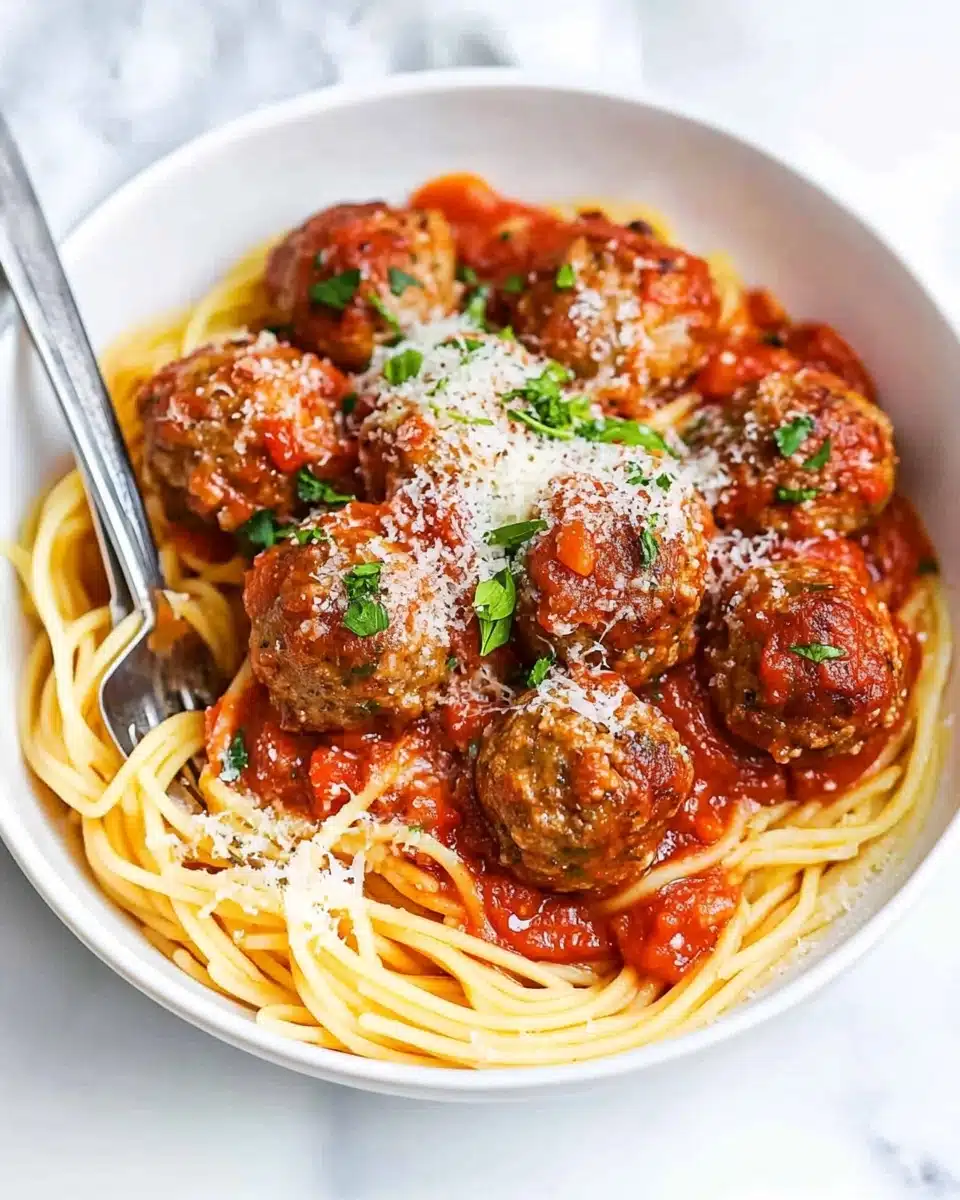
Secrets to Tender, Flavorful Homemade Meatballs
There's something uniquely satisfying about a perfectly crafted meatball – tender, bursting with savory flavor, and effortlessly melded into your favorite sauce. While store-bought options exist, nothing quite compares to the rich taste and customizable goodness of homemade. If you've ever felt intimidated by the idea, prepare to have your perceptions transformed. This comprehensive guide will unlock the secrets to creating an easy meatball recipe that promises juicy, flavorful results every single time, turning you into a meatball maestro in your own kitchen. Forget bland, dry meatballs. We're talking about a culinary experience where every bite is a testament to simple ingredients and smart techniques. From classic Italian-inspired dishes to versatile weeknight dinners, mastering this recipe will elevate your home cooking and earn you rave reviews.The Secret to Unbeatable Flavor and Texture: Key Ingredients Explained
The foundation of any exceptional meatball lies in its ingredients. While the process is remarkably simple – mix, shape, bake – understanding the role each component plays is crucial for achieving that coveted tender texture and rich flavor profile.The Perfect Meat Blend
For truly mouthwatering meatballs, a combination of meats is often the winning ticket.Ground Beef (80/20) and Pork: This dynamic duo provides the ideal balance of flavor and fat. The 80/20 lean ground beef offers enough fat to keep the meatballs moist and juicy without being greasy, while ground pork adds a distinct depth of flavor and contributes to the tender texture. The fat content is key; opting for extra-lean meat can result in dry, dense meatballs. If you only have extra-lean beef on hand, consider adding a tablespoon of olive oil or even a quarter cup of finely chopped raw bacon to the mixture for added moisture and richness.
Variations: Don't shy away from experimentation! You can certainly make delicious meatballs with just one type of meat. For a lighter touch, try ground turkey or chicken. For a richer, more unique flavor, incorporate ground veal, lamb, or even some Italian sausage (either mild or hot) into your mix. Each substitution will lend a slightly different character to your finished product.
The Binding Agents: Eggs & Breadcrumbs
These often-underestimated ingredients are vital for both structure and tenderness.Eggs: More than just a binder, eggs contribute essential moisture to the meatball mixture. They help hold all the ingredients together, preventing the meatballs from crumbling apart during cooking, while also adding to their overall tenderness.
Breadcrumbs: Seasoned breadcrumbs are fantastic as they infuse additional flavor directly into the meat. However, any type of breadcrumb – plain, panko, or even finely crushed cracker crumbs – will work. Breadcrumbs absorb moisture from the meat and other ingredients, preventing the meatballs from becoming too dense and ensuring a light, tender crumb. When combined with a splash of milk, they create a 'panade' that further enhances tenderness and juiciness.
Milk or Other Liquid: Mixing breadcrumbs with milk (or sometimes water or even broth) before adding them to the meat mixture is a simple yet powerful technique. This step softens the breadcrumbs, allowing them to fully hydrate and contribute to a more tender meatball, preventing a dry or tough texture.
Aromatics & Seasonings
These are the unsung heroes that transform simple meat into an explosion of flavor.Onion: Fresh onion adds a pungent, savory depth that is hard to replicate. For the best texture in your meatballs, grate the onion or finely dice it to ensure it integrates seamlessly into the mixture without creating chunky bits. If fresh isn't available, onion powder or dehydrated onions can be used in a pinch, though they won't offer the same fresh bite.
Parmesan Cheese: A generous hand with grated Parmesan cheese is non-negotiable for that irresistible savory, umami note and a hint of saltiness. It elevates the overall flavor profile significantly.
Italian Seasoning & Beyond: A classic blend like Italian seasoning provides a harmonious mix of herbs. Don't stop there! Fresh garlic, finely minced, is always a welcome addition. For a little kick, a pinch of red pepper flakes can awaken the palate. Experiment with fresh herbs like chopped basil or parsley for an even brighter, fresher taste.
Mastering the Mix: Essential Techniques for Perfect Meatballs
With your ingredients prepped, the next step is all about how you bring them together. These simple techniques are the key to achieving that perfectly tender, juicy meatball.Gentle Mixing is Key
This is perhaps the single most important tip for tender meatballs. Do not overmix! Combine all your ingredients gently with your hands. Overworking the meat develops the proteins, leading to a tough, dense, and rubbery texture. You want to mix just enough until everything is incorporated, no more. Think of it as folding ingredients together rather than kneading.Achieving Uniform Size
For consistent cooking and presentation, aim for meatballs that are roughly the same size. A standard meatball is often about 1 ½ inches in diameter, yielding around 4 dozen meatballs from a typical recipe.Tips for Uniformity:
- Use a small cookie scoop or a tablespoon measure to portion out the mixture.
- Lightly dampen your hands with water before rolling to prevent sticking and create smooth spheres.
- Gently roll the portions between your palms to form evenly shaped balls. Don't compact them too tightly.
Consistent size ensures that all your meatballs cook evenly, preventing some from being undercooked while others become dry.
Baking for Perfection
While pan-frying offers a crispy exterior, baking is often preferred for homemade meatballs because it's less messy, requires less hands-on time, and results in a more evenly cooked, tender interior without the risk of scorching.How to Bake: Place your shaped meatballs on a parchment-lined baking sheet to prevent sticking and make cleanup a breeze. Bake in a preheated oven until they are cooked through and slightly browned. The exact time will depend on their size, but typically around 15-25 minutes for 1 ½ inch meatballs. An instant-read thermometer should register an internal temperature of 160°F for doneness.
Baking, Serving, and Storing Your Homemade Masterpiece
Once baked, your delicious meatballs are ready to be enjoyed immediately or saved for future meals.Serving Suggestions
The versatility of this easy meatball recipe is one of its greatest strengths. Classic marinara sauce with pasta is a timeless pairing, but don't limit yourself! Consider:- Meatball Subs: Pile them high on a crusty roll with provolone cheese and marinara.
- Appetizers: Serve them with a sweet and sour glaze or BBQ sauce for a crowd-pleasing snack.
- Swedish Meatballs: Pair them with a creamy, savory sauce over egg noodles.
- Asian-inspired dishes: Toss them in a sticky ginger-garlic sauce with rice and stir-fried vegetables.
For more ideas on transforming simple meatballs into diverse and delicious meals, check out our guide on Easy Juicy Meatballs: Quick Steps to Flavorful Perfection.
Freezing for Convenience
This recipe is incredibly freezer-friendly, making it perfect for meal prepping and easy weeknight dinners.To Freeze Raw Meatballs: Arrange the unbaked meatballs in a single layer on a parchment-lined baking sheet. Freeze until solid, then transfer them to a freezer-safe bag or airtight container. They can be stored for up to 3 months. When ready to cook from frozen, add an extra 6-10 minutes to the baking time.
To Freeze Cooked Meatballs: Bake the meatballs as directed and let them cool completely on the baking sheet. Once cooled, transfer them to a clean, parchment-lined baking sheet and freeze until solid. Then, move them to a freezer bag or container. Cooked meatballs can be stored for up to 4 months. Thaw them overnight in the refrigerator or gently simmer them directly in your favorite sauce until heated through.
For even more detailed tips and strategies on preparing and storing meatballs for future use, explore our dedicated article on Freezer-Friendly Meatballs: Prep Ahead for Easy Dinners.
Unleash Your Creativity: Variations and Flavor Boosts
While the core recipe provides a fantastic baseline, don't hesitate to personalize your meatballs.- Spice It Up: Add a pinch of cayenne pepper, smoked paprika, or a dash of hot sauce to the mixture.
- Cheese Please: Beyond Parmesan, consider incorporating finely grated provolone, mozzarella, or even a sharp cheddar for different flavor profiles.
- Herb Garden Freshness: Fresh herbs like oregano, thyme, or rosemary, finely chopped, can introduce new aromatic dimensions.
- Veggie Boost: Finely grated carrots, zucchini, or bell peppers can sneak in extra nutrients and moisture without significantly altering the texture.
